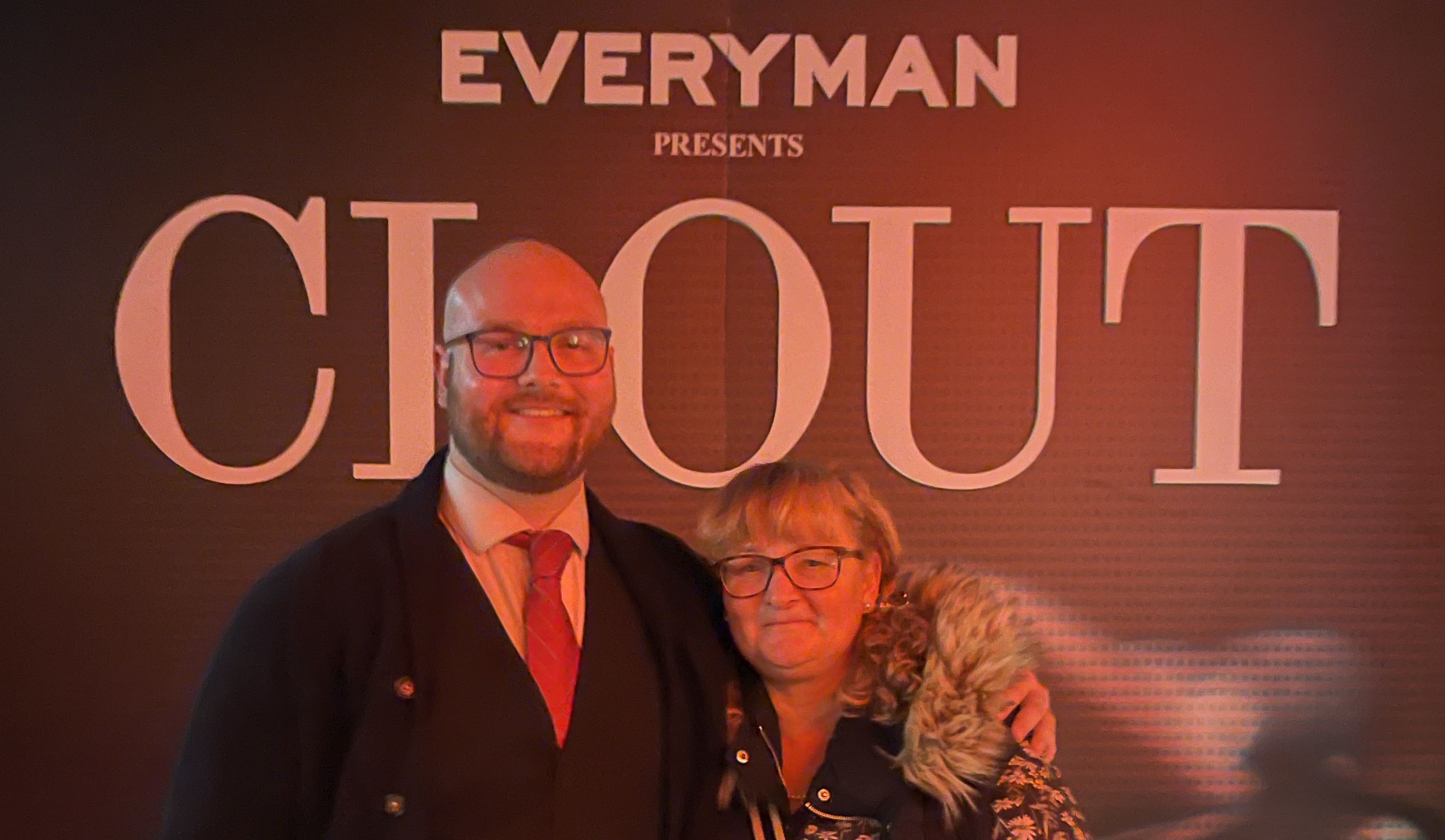
We recently caught up with PGGB Member James Knowles, an Assistant Production Coordinator who has built an impressive list of credits since graduating in Film Production from the University of Salford in 2020. In just a few years, he has worked on major productions including The Gentlemen, Paddington in Peru and Blitz.
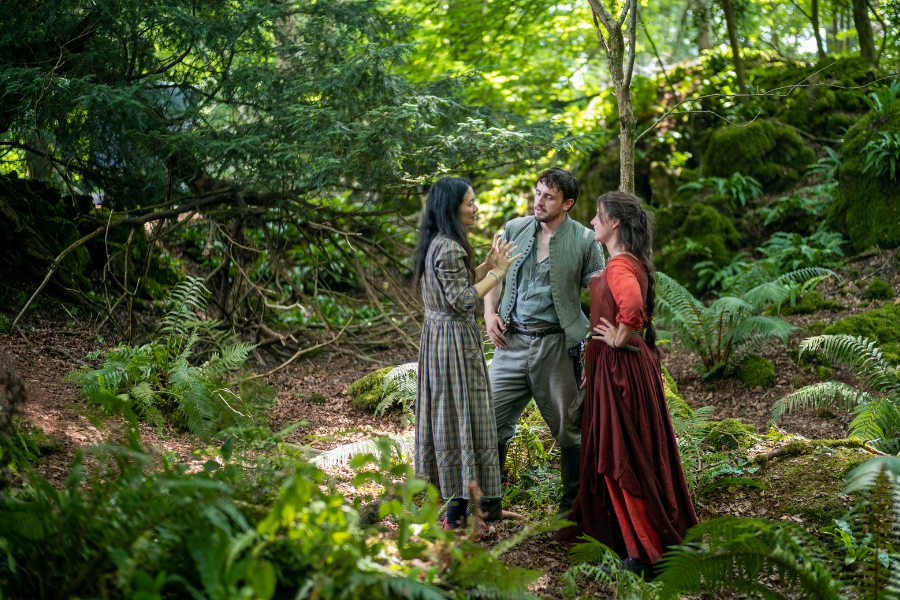
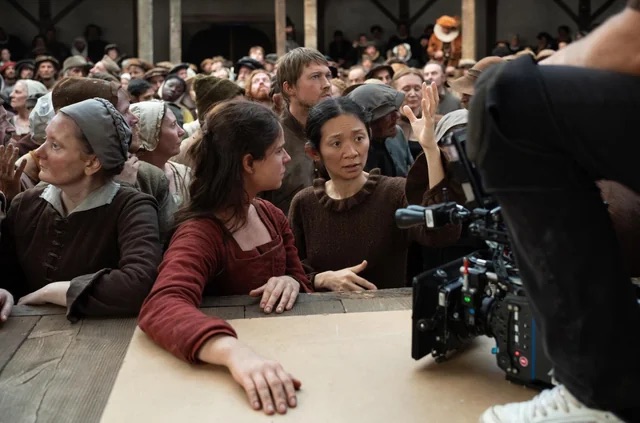
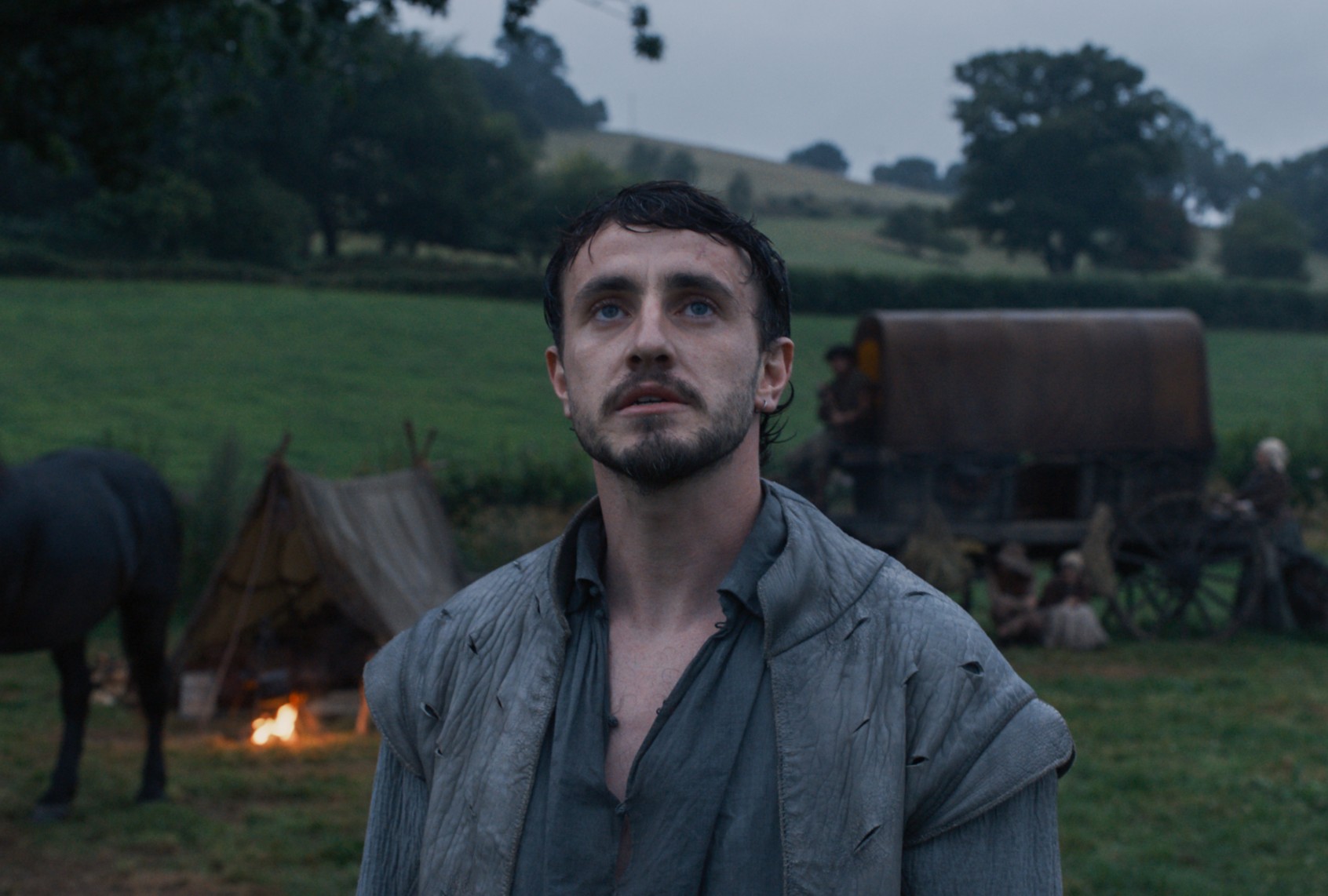
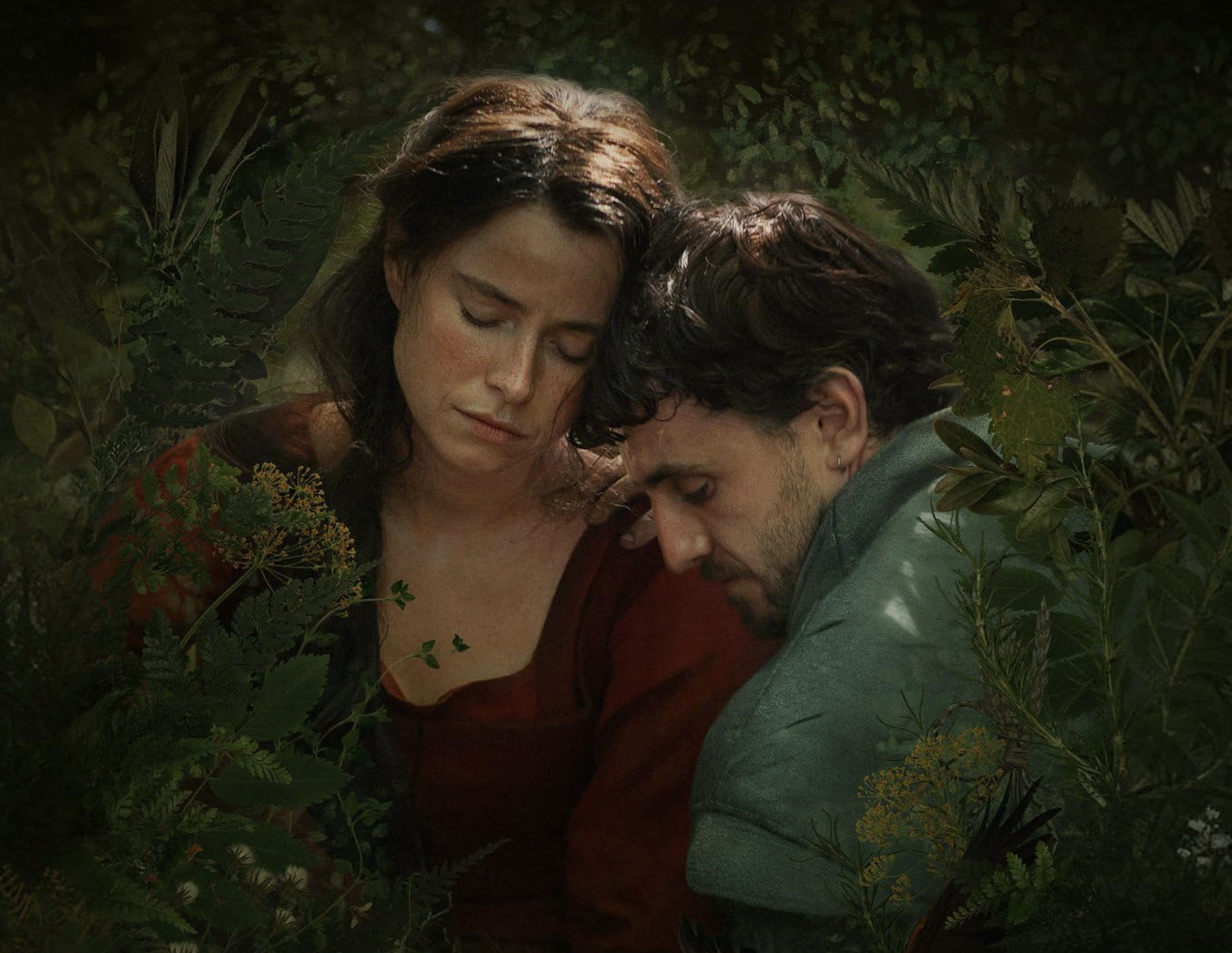
James has also worked on the historical drama film Hamnet, which recently won two BAFTAs in the categories Outstanding British Film and Leading Actress for Jessie Buckley. He spoke to us about his experience working on the film and the responsibilities involved in supporting a major feature production of this scale.

The success of Hamnet is something I’m incredibly proud to be part of, and it reflects the care, collaboration, and excellence of the team behind it.
Working behind the scenes with the Hamnet production team was a unique, fulfilling, and ultimately transformative experience. I was incredibly fortunate to be put forward for the role by Sheerin Khosrowshahi-Miandoab and Sofia Guiotto, whom I had previously worked with on Steve McQueen’s Blitz. That experience - and everything that followed after Blitz - gave me a strong foundation, and Hamnet felt special from the very beginning.
I remember my interview with Ella O’Neil (Production Coordinator) vividly. There was an immediate sense of excitement and care around the project; it was clear that this was a production being approached with real intention, sensitivity, and ambition. From the outset, it felt like something truly special was being made.
I joined the team with five weeks of prep remaining, which was both intense and incredibly rewarding. This was my first production working as an Assistant Production Coordinator through the ScreenSkills Make a Move Placement Plan, and I couldn’t have asked for a better environment in which to step into the role. The production team were generous with their knowledge, supportive under pressure, and deeply collaborative. Ella helped cultivate a wholly positive working environment that felt welcoming and kind, even amidst the challenges that a shoot of this scale can bring.
The two main APOCs on the production, Sean Montinaro and Sharleigh Wood, were a powerhouse in every respect - taking the time to teach me new skills, particularly around travel and accommodation for above-the-line cast and our three-week overnight unit in Hertfordshire and Lydney. Jannika Öberg (Production Manager) and Victorine Tamafo (Production Supervisor) kept the ship steady throughout, showing me firsthand how strong leadership, a deep understanding of workflows, budgets, and logistics can make all the difference when supporting a creative force like Chloé Zhao. This incredible production machine was further supported by Trisha Vekaria (Production Secretary), Mille Scotter (Key Office Production Assistant), and James Skinner (Production Assistant & Cast Member 'Gilbert').
Being part of that behind-the-scenes engine - helping keep such a thoughtful and emotionally resonant film moving forward - is an experience that has had a lasting impact on how I approach my work in production.
I’d also like to take a moment to acknowledge and thank the women who have played a pivotal role in nurturing my career and putting me forward for Hamnet. In particular, Ella O’Neil (Production Coordinator, Hamnet), Sheerin Khosrowshahi-Miandoab (Production Supervisor, Kraven the Hunter and Blitz), and Sofia Guiotto (Production Coordinator, Blitz). Ella, Sheerin, and Sofia have been instrumental in my development - both professionally and personally - supporting my progression from Production Assistant to Assistant Production Coordinator. Their encouragement, leadership, and generosity in sharing knowledge have shaped how I approach my work, and I remain deeply grateful for their guidance and trust.

Please forgive me if this becomes slightly long-winded - I think, like many people, my route into the industry wasn’t entirely straightforward.

I graduated in 2020 with a First Class Honours degree in Film Production from the University of Salford, having spent three years immersed in short films, student productions,0- and even attempts at starting my own production company. I left university full of enthusiasm, having parked a Light Scorpion Tank in MediaCity, staged pyrotechnics, and flipped a car for a final-year project - and then, like so many others, found myself graduating straight into the pandemic and back working as a barista at Costa Coffee in my hometown of Southport.
Production had always been my goal, so alongside barista shifts, I began cold-contacting Production Managers and Coordinators via Kays, Creative England Crew Search, and any resource I could find - often emailing upwards of 80 people a month. That persistence led to a handful of early opportunities, including working as a Production Assistant on the BFI-backed short Coconut, and, just as importantly, building a stronger CV and professional confidence.
In late 2020, a fellow Salford alumnus shared an opportunity to work as a Dressing Props daily on the BBC/BFI/EMU feature Medusa Deluxe, directed by Thomas Hardiman, shooting in Preston. I jumped at the chance. For four weeks, I worked weekdays on set and weekends back at Costa, learning from the late Jason Bond and eventually stepping up to Standby Props during the shoot. When the job finished, I returned to barista life - but crucially, I had my first feature credit.
Those early credits allowed me to join Calltime, on the recommendation of Edward Rastelli-Lewis. Shortly after, I was put forward for - and accepted onto - a PA role in the Covid Team on Doctor Strange in the Multiverse of Madness, working under Natalie Zibung. I handed in my notice at Costa, booked an Airbnb in Bisley, and moved to London for what was meant to be a three-week job, which ultimately became the foundation of what is now a five-year career in London.
Towards the end of that production, I was contacted by Kirsty Renton, who had found my CV in a production folder for Liaison. That role marked my first job in the Production Department, and I consider it the point at which my career truly began to take shape. From there, I moved on to Kraven the Hunter thanks to Amelia Southgate and Sheerin Khosrowshahi-Miandoab, followed by Blitz thanks to Sheerin and Sofia Guiotto, then to Hamnet, and onwards.
Alongside this progression, attending the Production Guild's Talent Development Fund Step-Up to Production Coordinator (SUPC) course was hugely valuable in helping me better understand the structure, expectations, and nuances of working as a Production Coordinator. Paired with my experience across multiple productions, the course helped formalise knowledge I had already picked up over time and gave me confidence in my own abilities - particularly the reassurance that I do, in fact, know what I’m doing. I’m very grateful to Sean Montinaro, fellow APOC on Hamnet and my Production Coordinator on The Gentlemen Season 2, for putting me forward for the scheme (which he has also completed), as well as Jonah Mayfield (Production Supervisor), Mirna Kapetanovic-Kennedy (Unit Production Manager), and Emily Shapland (Co-Producer) for fostering such a supportive, cohesive and exciting Production Team environment.
Becoming a member of the Production Guild of Great Britain felt like a natural next step. The Guild has provided access to training, resources, and a wider professional community, while also reinforcing a sense of belonging within the industry.
Ultimately, my career has been shaped by persistence, learning on the job, taking opportunities as they come, and - above all - the generosity, patience, and support of the production teams I’ve worked with. The SUPC course and PGGB membership didn’t just support my development - they gave me the confidence to keep stepping forward.
I think initiatives like the TDF are incredibly important, not just for developing technical knowledge, but for building genuine confidence.
So much of Production is learned experientially. You pick things up by doing - through long days, difficult decisions, and being in the room when problems are solved. But that can sometimes leave you questioning whether your instincts align with the wider expectations of the role. The SUPC course helped bridge that gap for me.
The programme I attended was led by Elena Rubio-Hall, who was an excellent course leader. She guided us through the practical essentials required to step up to Production Coordinator - but just as importantly, she emphasised the human side of the role. We spent time discussing the importance of clear communication, health and safety responsibilities, and how to manage interpersonal relationships with crew in a way that is respectful, calm, and solutions-focused. That balance between operational competence and emotional intelligence is what truly defines strong production leadership.
What the course did for me personally was contextualise my experience. It gave structure and language to practices I had already developed across multiple productions. That reassurance - that my thinking aligned with industry standards was empowering. Confidence in this context isn’t about ego, it’s about clarity. When you understand not just what to do, but why you’re doing it, you make decisions more decisively and step into responsibility more comfortably.

I’m also incredibly grateful to Susanna Hargreaves and the Production Guild of Great Britain team. Having a direct connection to the Guild through the course reinforced that sense of professional community. It’s reassuring to know that there is a wider body championing standards, progression, and well-being within Production.
Ultimately, initiatives like SUPC create space to reflect, refine, and grow deliberately rather than reactively. That kind of confidence translates directly into meaningful progression because it allows you to see the bigger picture and contribute at that level. For me, the course didn’t just expand my knowledge - it strengthened my foundation and gave me the confidence to continue stepping forward.
There are undoubtedly many great stories from filming that I wasn’t personally aware of, but one of the most well-known highlights - which Jessie Buckley herself mentioned at the Golden Globe Awards - was our fantastic Grip team making soup on the back of their truck during the shoot. It’s such a perfect example of the ingenuity and camaraderie that ran through the entire production.
Within the Production Department, our standout story has to be that of our Production Assistant, James Skinner. What began as James simply standing in for a camera test quickly turned into something extraordinary - Chloé Zhao liked his presence on camera so much that she cast him as Gilbert, the brother of Will, played by Paul Mescal. It was incredibly surreal, and I can only imagine how bizarre and exciting it must have felt for James in the moment.
What was especially lovely was how quickly Production stepped in to support him. Ella O’Neil and Victorine Tamafo immediately sprang into action - half-jokingly acting as his agents - to ensure that while James was still very much our Production Assistant, he was treated with the same care and consideration as any cast member on his shoot days. This included staying in the cast hotel the night before his shoot in Cwmmau and being transported by a unit driver. When he returned to unit base after filming, the Production Team applauded him, and we even asked him to sign a few call sheets - a moment that perfectly captured the spirit of the crew.
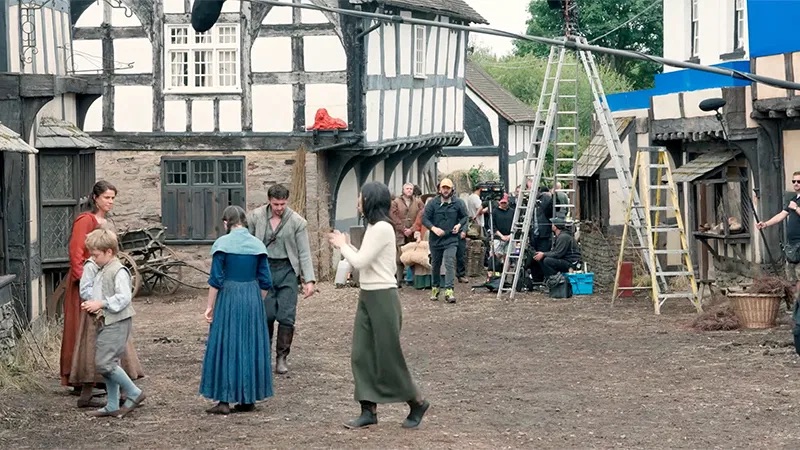
On a more personal level, one of my own highlights - albeit not a particularly glamorous one - happened on location in Cwmmau. After a morning of heavy rainfall, I was chatting with Ella by an ezy-up, completely unaware that a large pool of water had collected on top. Mid-conversation, the structure gave way and drenched me entirely. Ella and I immediately burst out laughing, and thankfully, I had a spare shirt and tie in my car. The Costume Department were incredibly kind and helped dry my soaked shirt, tie and waistcoat in their drying cupboard - a small moment, but one that really summed up the generosity and support felt across all departments.
Finally, although I wasn’t personally present for it, I heard a lovely story from the final shoot day at Shakespeare’s Birthplace in Stratford-upon-Avon. The set had been dressed with beautiful potted plants, and once filming wrapped, some of the crew were able to take them home - a wholesome, sustainable end to a very special production.

One of the main challenges we faced was accommodating the crew in a very rural part of the country during our Unit work in Hertfordshire. Due to the limited local infrastructure, we ended up booking every available hotel in the area, and because of the nature of the shoot - with frequent location prep, strike, and last-minute schedule changes - accommodation plans often had to be adjusted at short notice. We relied heavily on the support of Access Bookings, who were exceptional in helping us secure last-minute rooms above pubs and in small, boutique-style accommodations that suited both budget and availability.
In the weeks leading up to the unit overnights and the unit move from Lydney to Hertford, Sean Montinaro guided me through the full accommodation workflow as he had been overseeing accommodation on his own up until this point. This included liaising with departmental supervisors and coordinators to confirm crew requirements, logging requests in our tracker, sourcing suitable accommodation, gaining cost approvals, raising purchase orders, and tracking expenditure. It also meant handling accommodation memos and travel movement orders for additional nights or hotel extensions - admittedly my least favourite part, but a vital one and a rite of passage.
Overseeing the unit move from Lydney to Hertford was my first experience being responsible for accommodation on that scale, and it was very much a trial by fire - but also the best possible way to learn. I felt confident stepping into that responsibility thanks to Sean’s mentorship, particularly his emphasis on speaking directly with crew, managing expectations honestly around the limitations of rural accommodation, and doing everything possible to meet people’s needs both as individuals and as departments.
Throughout the process, Jannika Öberg, Ella O’Neil, and Sharleigh Wood were consistently on hand to offer guidance and support, helping me develop a strong instinct for which solutions would work best in a fast-moving production environment. Overcoming these challenges not only strengthened my practical skills but also reinforced the importance of communication, adaptability, and trust within the Production team.
I think a strong sense of community isn’t just beneficial to a production - it’s foundational to it. Culture doesn’t happen accidentally; it’s shaped by leadership, by tone, and by how people are treated day to day.
For me, Production as a department is fundamentally service-led. That doesn’t mean passive, it means proactive, attentive, and accountable. We are there to remove obstacles, provide clarity, and create stability so that creative work can flourish. It’s about setting an example of professionalism, calmness, and respect, especially when things are pressured.
The viral wrap video from Hamnet - everyone dancing to ‘We Found Love’ - resonated because it felt earned. Moments like that are the by-product of teams who have worked hard together and feel safe enough to celebrate together - and that atmosphere was actively encouraged by Chloé Zhao. While I wasn’t on set at that exact moment, I know from colleagues that it felt like a genuine release - a shared recognition of what had been achieved. That kind of joy doesn’t exist without trust.
On a more personal level, community is what sustains you in this industry. We often spend 55 or more hours a week with our teams. Under that kind of intensity, culture matters enormously. When leadership fosters openness and mutual respect, people are more willing to communicate early, ask for help, and support one another. It creates psychological safety - and psychological safety leads to better decisions, stronger collaboration, and ultimately better work.
I’ve been fortunate to work under leaders like Ella O’Neil, Sean Montinaro, Jonah Mayfield, Sofia Guiotto, Sheerin Khosrowshahi-Miandoab, Mirna Kapetanovic-Kennedy and Emily Shapland who embody that ethos. I hope to continue learning from them as I grow, and to carry that approach forward in my own leadership.
I’ve always believed that the Production Office should feel approachable. Ideally, any crew member should feel comfortable walking in - whether they need clarity on paperwork or simply a moment to regroup. Being heard, understood, and supported shouldn’t feel exceptional - it should feel standard.
Community isn’t just about morale - it’s about resilience. Productions face constant change: weather, budget shifts, and scheduling challenges. In my experience, the teams that weather those storms best are the ones built on trust. I believe that when people feel valued, they go further for one another. That collective investment shapes not just the culture, but ultimately the success of the production itself.

On any given day, you’re part organiser, part problem-solver, part human Google. For me, the role of an APOC is really about keeping the machine moving - supporting the Production Coordinator, Production Manager, Production Supervisor, and Line Producer, staying one step ahead of issues, and making sure the right information gets to the right people at the right time (ideally before anyone says, “Has anyone seen…?”). Ideally, managing above and below with clarity and efficiency.
On productions like Hamnet, The Gentlemen Season 2, and Elsinore, my day-to-day has ranged from organising Tech Recces and Production Meetings, to setting up and running the production office through prep and shoot - and then packing the whole thing back down again during wrap like nothing ever happened. I handle vendor setup, cast lists, grids, confirmations, and talent summaries, oversee clearances (working closely with Jeva), and help keep the constant flow of paperwork - call sheets, schedules, memos, legal documents - moving smoothly, rather than forming an ominous pile.
I think a big part of the job is also people and team management. I work closely with the wider Production team and act as a key point of contact for other departmental coordinators and supervisors, helping to gather, track, and distribute essential paperwork. That might mean chasing crew lists, contracts, training confirmations, risk assessments, or departmental deliverables - always trying to do it in a way that’s collaborative rather than panicked (even if the deadline is looming). The goal is to make sure departments have what they need, Production has visibility, and nothing important falls into the dreaded “someone else is probably dealing with it” category.
Logistics take up a big chunk of the role, and that’s where things get particularly interesting (and occasionally character-building). Travel and accommodation for crew and cast, unit moves, cost tracking - all while plans are changing in real time and someone is always asking if there’s “just one more room” available. On international projects, I’ve worked with overseas production services in Italy, dealing with visas, Certificates of Sponsorship, working permits, insurance, and even crew charter flights. I’ve also spent a fair amount of time making sure above-the-line talent are comfortable, well looked after, and in the right place at the right time.
On a weekly basis, I’m usually juggling trackers and reports - Prep diaries, Wrap reports, Legal Delivery Paperwork, Scene Tracker - alongside crew onboarding, HR and H&S training, DBS checks, and safeguarding. I’ve also been involved in sustainability work, including ALBERT carbon calculations and certification, as well as asset management, storage, and issuing strike notices. In short: lots of spreadsheets, lots of emails, and the occasional quiet moment of victory when everything lines up.
At its core, the APOC role is about organisation, communication, and adaptability - and being someone the team can rely on when things get busy (or gloriously chaotic). No two days are ever the same, and that’s exactly what I love about it - helping hold the practical and logistical side together so the creative work can happen, without anyone having to worry about where they’re sleeping, how they’re getting there, or whether the paperwork is in order.

I don’t think there’s a single blueprint for what makes a 'successful' Assistant Production Coordinator. There are a lot of different ways to succeed in the role, and different productions, or even different APOC teams, often benefit from different strengths. You might be the only APOC on a show, or one of a few, and both situations come with their own challenges. What matters most is trusting yourself, your Coordinator, and the wider Production team, while holding on to a few core qualities.
Organisation and attention to detail are fundamental - the role lives in trackers, schedules, paperwork, and logistics - but just as important is adaptability. Plans change constantly, and being able to stay calm, reassess quickly, and find a workable solution without creating extra noise is a huge part of the job.
Clear communication is another essential skill. Being able to pass information on accurately, follow things up tactfully, and build good working relationships across the crew makes a real difference. Closely linked to that is empathy - understanding that everyone is under pressure, and that how you communicate can be just as important as what you’re communicating.
I also think curiosity and a willingness to learn are key. Every production does things slightly differently, and being open to asking questions, absorbing knowledge from Coordinators, Managers, Supervisors, and other departments, and refining your instincts over time is what helps you grow in the role. As well as knowing when to ask for help, what that help could look like, and what to let go of if needs be.
Finally, reliability and trust are everything. If people know you’ll follow things through, flag issues early, and handle problems with professionalism and good humour, you become someone the team can rely on - and that, more than any single technical skill, is what really allows an APOC to succeed.

Looking ahead, my focus is on continuing to grow within the Production Department and stepping into greater responsibility in a way that feels both earned and meaningful.
When I think about where I started - sending cold emails from my hometown while working as a barista - I’m very aware that progression in this industry isn’t linear. It’s built on small steps, trust from others, and the willingness to keep showing up. As an Assistant Production Coordinator, I’m keen to continue building my oversight across workflows, logistics, and other technical areas such as cast contracts, while deepening my understanding of the wider strategic responsibilities that come with stepping up.
My ambition is to move into the Production Coordinator role when the opportunity arises, not just feeling technically capable, but confident in how I support and lead a team. The leadership I’ve observed - rooted in calmness, clarity, and genuine care for people - is something I hope to carry forward. I want to be the kind of person who creates stability in pressured environments and helps others feel supported in doing their best work.
I’m also conscious of how much community has shaped my journey. Every step forward has come through encouragement, mentorship, and collaboration. As I progress, I want to contribute to that same culture - fostering teams where communication is open, the production office is approachable, and people feel valued.
Beyond that, I’m excited to continue working on ambitious, creatively driven projects - whether features or high-end television - and to keep evolving alongside the industry. Ultimately, what’s next for me is simple: to keep learning, keep contributing, and keep earning the trust that allows progression to happen naturally.
Every opportunity feels like a privilege, and one I don’t take lightly.

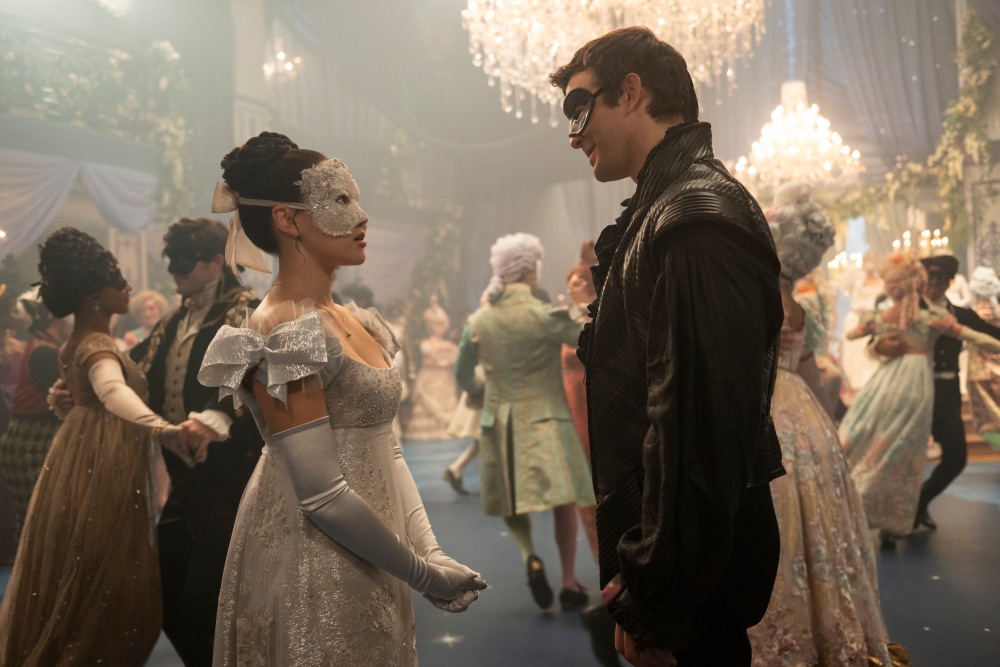
BRIDGERTON S4 - Part 2
Shondaland, CVD Productions
PGGB Members:
Kris Mentor - Assistant Accountant
Simon Fraser - Line Producer
Fay Mohamed - UPM
Jenni Lewis - Location Manager
Jack Severn - Assistant Production Coordinator
Jaz Blair-Edmund – 2nd Unit Production Coordinator
PGGB Partners and Affiliates:
BTP Professional Bird & Pest Control, BCD Media & Entertainment, Filmrichmond, Team Engine, The Base Camp, Buckinghamshire Film Office, Digital Orchard, Sargent Disc, Entertainment Partners, Sara Putt Associates, Aggreko and CAMA.