Member Resources
Member Search
Crew-up, build shortlists and locate colleagues across our membership base.
Service Directory
Our extensive menu of suppliers and services are the perfect directory to select from when identifying who to work with in UK production.
Production Database
Find and search future, current and past productions with our extensive production database. You will also be able to see every Production Guild member who was involved.
Production Guild Membership: Online Badges
Indie Subscribers
Knowledgebase
Find production agreements, online sessions, helpful info and much more
Job Opportunities
Industry Job Opportunities
Offers and Discounts
Member Offers & Discounts
Masterclasses
Our library of online sessions - bite-sized learning on a wealth of useful topics for PGGB Members

Training
Our Training and Talent Development
Read more on our training, from intensive short courses to bite-sized online masterclasses designed for those working below the line in film & HETV
Current Courses & Course Catalogue
Browse our menu of current, past and future training courses
Our Trainers
Meet the trainers from PGGB's courses - all top film and TV professionals at the cutting edge of production
Member Development Helpdesk
PGGB's one-on-one tailored professional development sessions for Members, delivered by our Head of Talent Development Becky Maynard
Talent Development Fund
Sponsored by Netflix and Entertainment Partners, our Talent Development Fund provides six mid-level training courses a year over 3 years
Virtual Learning Environment (VLE)
Our VLE is an online learning platform that is regularly updated with CPD materials, additional recordings, updates and resources
Membership Mentoring Programme
Matching the experience and knowhow of today’s industry with the burgeoning talent of tomorrow, delivered by PGGB Members for PGGB Members
Join Our Training Mailing List
Be the first to know about the latest PGGB short courses, opportunities and training schemes, as well as relevant news the from the Guild
Our Partners
Platinum Partners
Our Platinum Partners represent of some of the biggest names in film & HETV, from studios to major service companies.
Educational Partners
PGGB has a number of talent development initiatives to aid the next generation of production professionals
Affiliates
Our extensive menu of suppliers and services are the perfect directory to select from when identifying who to work with in UK production.
Full Directory
We are proud to work with over 100 companies who supply specialised services to the production industry.
Business Partners
Our Business Partners represent of some of the biggest names in film & HETV, from studios to major service companies.
About Us
About Us
We are the leading membership organisation representing, championing and developing the best in film and HETV production talent in the UK.
Our Team
Our team are here to support you to get the most our of your membership.
Our Patrons
HRH the Duke of Edinburgh has become the first Royal Patron of The Production Guild of Great Britain
Our Board
The world-class film experts whom help make PGGB possible
Equality, Diversity & Inclusion
Production Guild UK is committed to equality within the film & HETV industry, and improving diversity and inclusion in the production workforce underpins all that we do.
Sustainability
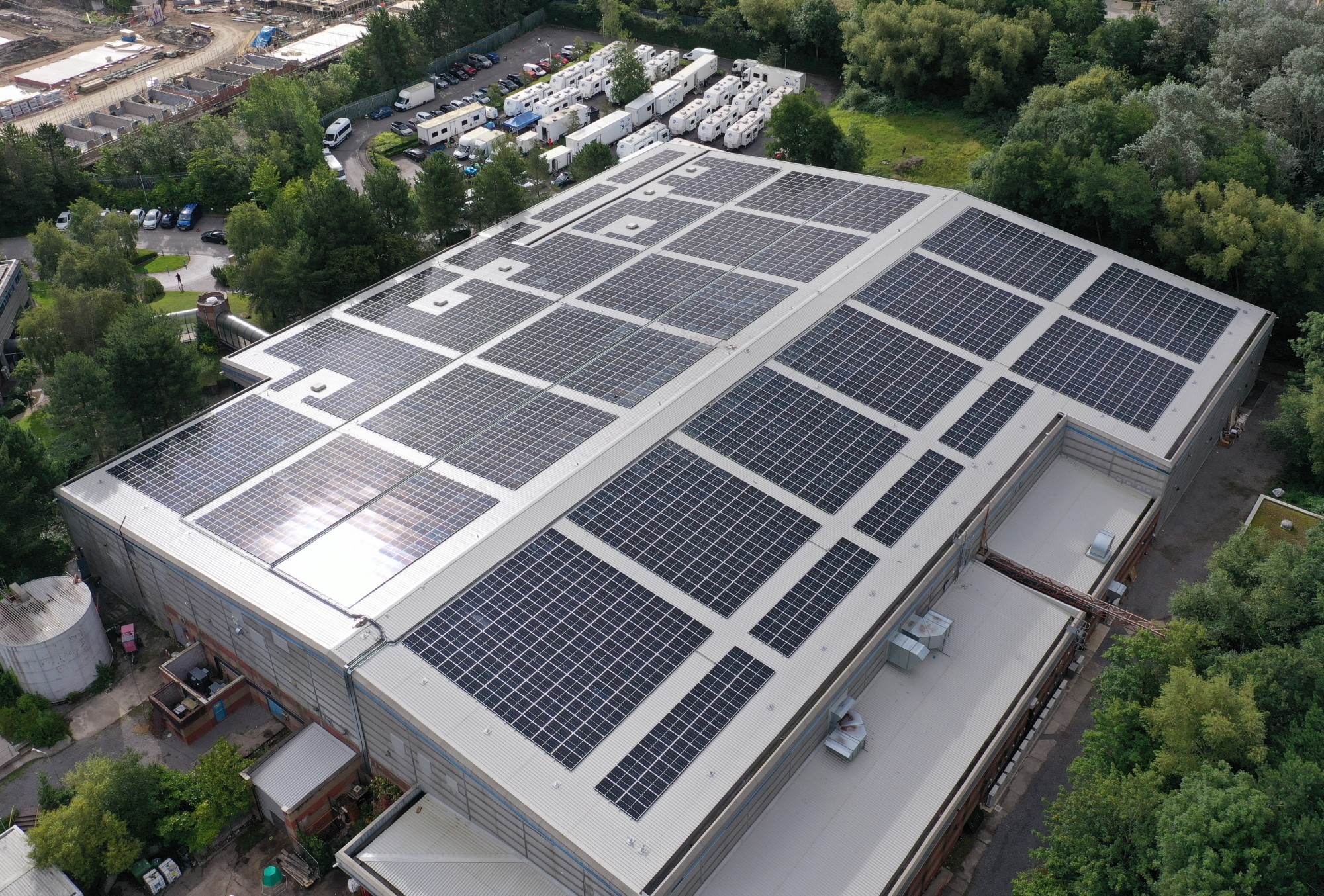
We encourage Production Guild Members and Partners to engage with and be in action to create positive environmental and sustainable ways of working, as a priority, at every phase of production.
PGGB Membership Committee
Our membership committee reflects the breadth and expertise PGGB has across the industry
Member Resources
Member Search
Crew-up, build shortlists and locate colleagues across our membership base.
Service Directory
Our extensive menu of suppliers and services are the perfect directory to select from when identifying who to work with in UK production.
Production Database
Find and search future, current and past productions with our extensive production database. You will also be able to see every Production Guild member who was involved.
Production Guild Membership: Online Badges
Indie Subscribers
Knowledgebase
Find production agreements, online sessions, helpful info and much more
Job Opportunities
Industry Job Opportunities
Offers and Discounts
Member Offers & Discounts
Masterclasses
Our library of online sessions - bite-sized learning on a wealth of useful topics for PGGB Members
Training
Our Training and Talent Development
Read more on our training, from intensive short courses to bite-sized online masterclasses designed for those working below the line in film & HETV
Current Courses & Course Catalogue
Browse our menu of current, past and future training courses
Our Trainers
Meet the trainers from PGGB's courses - all top film and TV professionals at the cutting edge of production
Member Development Helpdesk
PGGB's one-on-one tailored professional development sessions for Members, delivered by our Head of Talent Development Becky Maynard
Talent Development Fund
Sponsored by Netflix and Entertainment Partners, our Talent Development Fund provides six mid-level training courses a year over 3 years
Virtual Learning Environment (VLE)
Our VLE is an online learning platform that is regularly updated with CPD materials, additional recordings, updates and resources
Membership Mentoring Programme
Matching the experience and knowhow of today’s industry with the burgeoning talent of tomorrow, delivered by PGGB Members for PGGB Members
Join Our Training Mailing List
Be the first to know about the latest PGGB short courses, opportunities and training schemes, as well as relevant news the from the Guild
Our Partners
Platinum Partners
Our Platinum Partners represent of some of the biggest names in film & HETV, from studios to major service companies.
Educational Partners
PGGB has a number of talent development initiatives to aid the next generation of production professionals
Affiliates
Our extensive menu of suppliers and services are the perfect directory to select from when identifying who to work with in UK production.
Full Directory
We are proud to work with over 100 companies who supply specialised services to the production industry.
Business Partners
Our Business Partners represent of some of the biggest names in film & HETV, from studios to major service companies.
About Us
About Us
We are the leading membership organisation representing, championing and developing the best in film and HETV production talent in the UK.
Our Team
Our team are here to support you to get the most our of your membership.
Our Patrons
HRH the Duke of Edinburgh has become the first Royal Patron of The Production Guild of Great Britain
Our Board
The world-class film experts whom help make PGGB possible
Equality, Diversity & Inclusion
Production Guild UK is committed to equality within the film & HETV industry, and improving diversity and inclusion in the production workforce underpins all that we do.
Sustainability
We encourage Production Guild Members and Partners to engage with and be in action to create positive environmental and sustainable ways of working, as a priority, at every phase of production.
PGGB Membership Committee
Our membership committee reflects the breadth and expertise PGGB has across the industry