Vision Quest for Marvel Studios is one of the most eagerly anticipated productions in the MCU's current slate. As UPM on a production of this scale and profile, how does it feel to be part of it - and what drew you to the project in the first place?
I mean saying out loud you work for a company like Marvel for the first time is always going to be a feel-good moment, everyone knows them and people are impressed by their work whether they are comic book fans or not. I really liked the producer, and fellow Guild member, Roopesh Parekh who I had met before and was keen to work with him. When you meet people and think I could work well with you, that’s an opportunity to jump at. And then of course there’s the superheroes that drew me in! It’s always exciting to do new things and costume manufacturing of superhero costumes was something new and exciting to me. The scripts were also really interesting and different. It’s not like anything else I have worked on before.
Can you tell us how you first got started in the industry, and what path led you from Production Manager to Unit Production Manager?
I came from a more creative background and through development gradually moved into managing, which seemed a natural path at the time, but is probably unusual in the industry! I think the creative background really helps me day to day in how I approach things and knowing what’s important to spend money on. My first real opportunity was when I was asked to Line Producer a micro budget for Ate De Young (who directed Drop Dead Fred). I remember having some very experienced industry professionals on the film and they all taught me a lot. I worked extremely hard to work out everything I didn’t know, now I am just comfortable in what I don’t know and realise most people are learning day to day and if you’re not learning that’s a shame! I was extremely lucky to get to step up from production manager to UPM on The Sandman. I had really started to do the role for other Line Producers who were actually Producers holding fort on shows, so I had been given the space to get on with managing shows and budgets at that level already.
You've worked your way through every grade in production management - from Production Manager on films including Summerland, Turn Up Charlie and Strike Back, through Line Producer on projects including Dreaming Whilst Black for Showtime and The Truth for Channel 4, to UPM on The Sandman for Netflix and now Vision Quest for Marvel. That arc is genuinely remarkable. Was it a deliberate climb - and what did each step teach you that the next one needed?
Nothing has been deliberate, apart from working hard and wanting to grow my career and to continue to develop as a manager year to year. I have always grabbed opportunities that came to me and then worked as hard as I could to deliver a strong project and be a reliable part of any team I joined. I always think integrity is key, having a strong moral compass and looking after your production team who are the backbone of any project as well as the crew - I think that has allowed me to be a part of strong productions. Each project has its own unique set of challenges and new things to learn. I have had to close shows due to Covid and Strikes. The first time I closed down a show it was extremely overwhelming as it was brand new to me and I had no prior experience of how to deal with things like this. The second time with the strikes was still extremely hard as you are telling hundreds of crew members they are out of a job. However, I knew how to approach securing the show quickly and was able to assess the risk better than the last time. I think now my career path is more deliberate; all those projects were totally unique. I look at a project and what I can learn from it or the people I am working with. We are very lucky to have the continued opportunity to develop and grow in this industry from one project to the next.
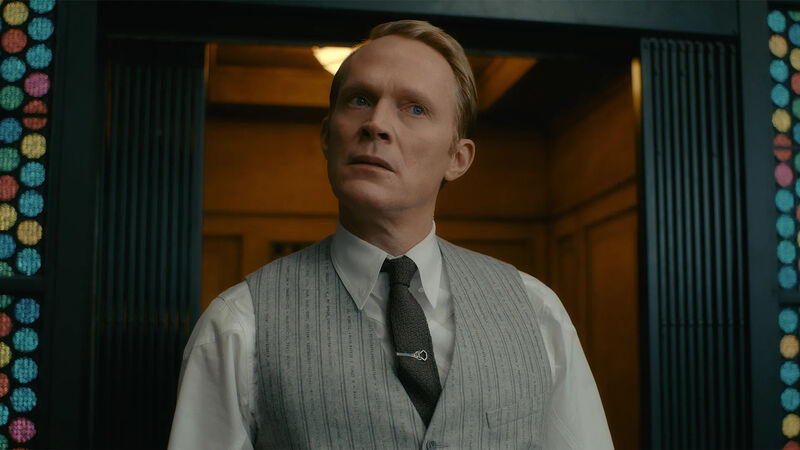
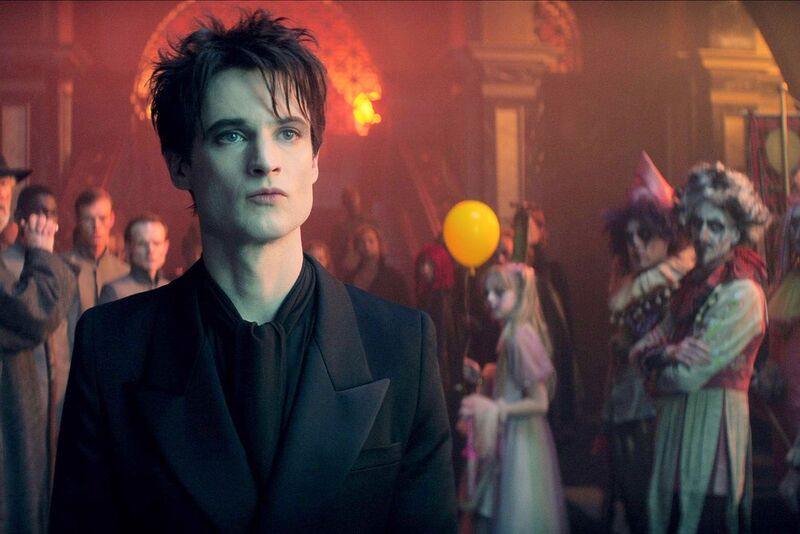
You served as UPM on both Series 1 and Series 2 of The Sandman for DC Entertainment and Netflix - a production with an extraordinarily passionate and exacting fan base, and a creative ambition to match. What does it mean to return to a production you already know intimately - and how does your approach change on a second series?
So, I joined towards the end of the pilot on Season one. It’s always challenging to join a project that is already in full force and during the height of Covid. It was an extremely difficult first few months keeping the project moving and crewing up constantly as crew had to isolate. So, returning for season two was amazing because I got to start the project from the beginning so always new exactly what had happened. With Covid under control we unfortunately got hit by strikes and had to close down. However, all that Covid experience had taught all of us, the crew included what to do and how to react quickly. I was so impressed with how hard everyone worked to get the show out of the dark and back up and shooting in two weeks. Despite the strikes I feel like we had built such a strong workforce for the second season. You have an opportunity to improve when you return for a second season. It was an amazing opportunity and I loved working on the show, the crew and what we made!
Your credits span an extraordinary range of scales and genres - from low-budget independents all the way to Marvel, DC and Amazon Studios productions. What has working across that full spectrum taught you - and do you think the discipline of smaller productions makes you a better UPM on the big ones?
It definitely does, I think I am able to be more detailed about some of the off-screen spending than I would have been if I hadn’t. If you can work with your HODs to really look at all the detail instead of broad strokes you can save you millions, which allows extra shoot days or to shoot night when the budget is tight. I always say to departments; I will never leave you screwed without what you need but I want to get rid of the fat and too large a buffer in the departmental budgets. It also allows me to come up with the right size second units and know what we can achieve on less.
Dreaming Whilst Black for Showtime is one of the most celebrated British productions in recent years - a show that broke through in a major way and resonated far beyond its budget. What was it like working as Line Producer on a production with that kind of cultural significance - and what did it demand of you?
Of course, I didn’t really think about it like that when I joined the show, the pilot had done really well and again I was drawn to working with producer Nicola Gregory at the time. I always look at the people I am working with and the scripts and whether I like the content. That’s what attracted me to the project. Dreaming Whilst Black was a tight budget and what I saw having had a few years away from smaller budget shows was how much harder it is now to make them. Lighting has changed so much over the years, rigging teams are needed to light most things ahead now and along with many other contributing factors it’s much harder to make these shows now on tight budgets to when I worked on Nativity or Summerland. I loved working alongside the writers who were on set daily as we had to look at what we could afford to do. There were lots of late-night calls with A24 in LA, which as mother of an 11-month-old at the time meant quickly putting her to bed and logging on to continue working things out throughout the evening. At that scale you are more involved in everything and every penny you spend or move in the budget is important. I didn’t have a Production Manager on the show so the demands were a lot higher. My production team worked extremely hard!
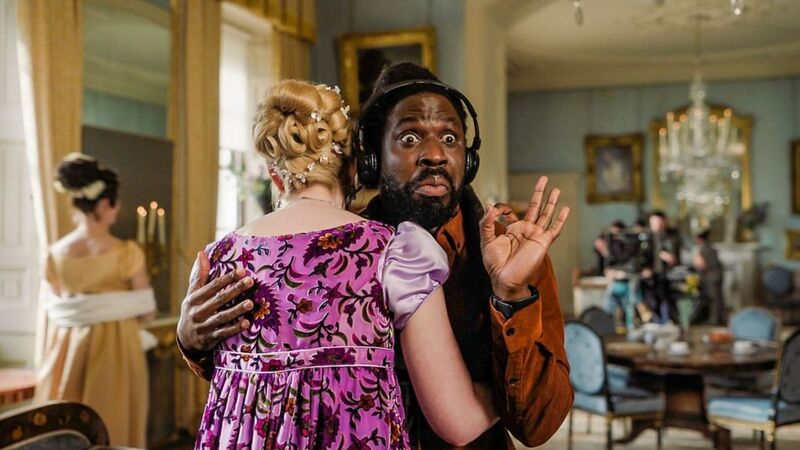
You are also UPM for Additional Photography, onThe Thomas Crown Affair for Amazon Studios - one of the most anticipated upcoming features in production right now. What is it like working across two major studio productions of this calibre at this stage of your career? How does it work, working in tandem with Principal Photography?
So, this was my first time doing additional photography and after doing such long television series it was really nice to do a job that was just a few months. I think when you come on to something that’s already been shot you need to be really smart about what to change and what is best to just keep the same. Everyone has very strong ideas about the job as they’ve been there before. My general rule was if it hadn’t worked on Principle, change it, if it had don’t mess with it. This was my first job with Amazon, so a great opportunity to work with a new studio and see how they operate and I loved working with the Producer, and another fellow Guild member, Michael Constable.
The UPM role sits at the very centre of a production's financial and logistical operation - and yet it remains relatively misunderstood by those outside the industry. How do you describe what you do to people who ask - and what do you wish more people understood about it?
I say; I manage money, people, helping to get as much on screen as possible. I am heavily involved in risk, H&S, welfare, and financial approval of everything that runs through the company. Of course, the producer is also involved in these things as are many other department heads. Basically, a little bit of everything and a huge amount of problem solving. I am often riding an uncomfortable wave to make sure we can do as much as we can for the show and that can be nerve racking at times.
On a lighter note - from the indie sets of your early career to the mammoth productions of today, what is your absolute non-negotiable on a long shoot day?
Good coffee and Krispy Kreme donuts! For the crew we would always order pizza on a long shoot day, no matter how much or little money we have, feeding people well is essential whatever your budget and totally possible.
Finally - what advice would you give to Production Manager with their sights set on becoming a UPM, and what has kept you passionate about this work across such a varied and impressive career?
Always try and learn as much as you can about the next role while working in your current role, this doesn’t mean neglecting your current role. But whenever you have an opportunity to learn or ask questions make sure you do. I always advise that you are able to do these roles before you take them on as they come with a lot of responsibility and weight on your shoulder, so the more you can learn before you land the positions the better. In terms of keeping passionate about the work, I think when you go to set and see these amazing sets that have been built and all the detail that goes into them, you really think to yourself, wow this is cool. The craftsmanship of others work keeps me passionate about my own as it's exciting to watch and that never gets old! I also love to show crew who don’t work on set what we are making and what they are a part of, so they can also feel the excitement of it all and remember why they are there.