Gemma – you’ve got quite a CV! You’re currently working with Anton Studios on a number of exciting titles, but your latest credit, Eloise for Netflix - what drew you to the project, and how does it feel to be part of it?
My EP on The Last House recommended me to his EP brother for Eloise and after meeting with MRC (the studio producing the film), I was really excited to be part of the project. I seem to have spent a lot of time these past couple of years at Shepperton! It was such a fun movie to be involved with and my largest budget to date. The set builds were incredible, and each and every department was wonderful to work with.It will definitely be one of my fondest films to have worked on.
Can you tell us how you first got started in the industry, and what path led you to becoming a Financial Controller?
A very long time ago, as a wannabe movie director fresh out of uni, I headed off to LA where I was lucky enough to be invited to Dreamworks by the wonderful Marvin Levy to discuss all things film! I actually got to watch the films I had made at University in the Dreamworks conference room. Sadly, this wasn’t to be my eventual path but after two children and training to become a fully qualified accountant, I made my way back to BBC Manchester in 2016. I covered some really great shows there as a Production Accountant, including The World Cup and two marathons. I then became freelance and moved into scripted. I still remember sitting on the steps of a trailer in Devon filming The Trouble with Maggie Cole and thinking – this doesn’t feel like work at all!I have been so fortunate in working with some wonderful Line and Executive Producers who have brought me back for different shows and allowed me to progress from Production Accountant to Financial Controller.
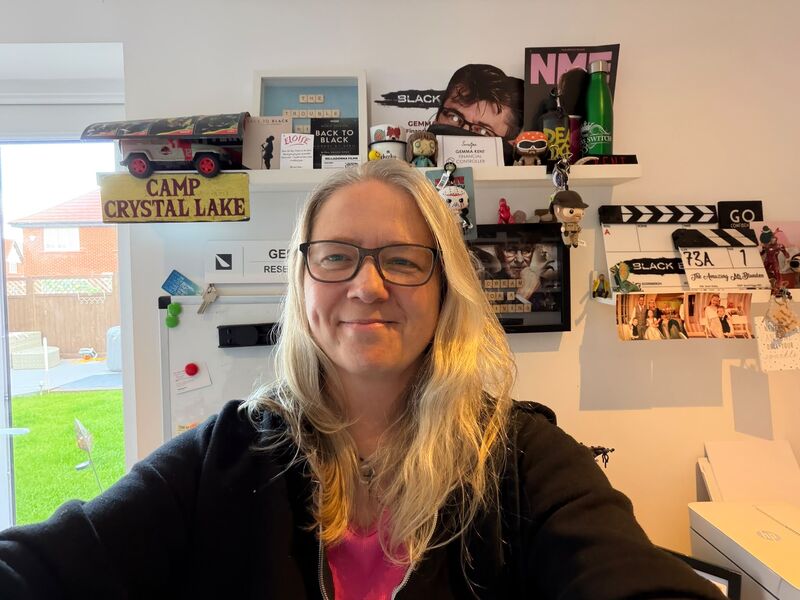
Your early credits include some brilliantly distinctive British productions - We Are Lady Parts, Dead Pixels, Out of Her Mind and Heartstopper Series 2. What was it like working on productions with that kind of cultural impact, and is there one that stands out as particularly formative?
All four of those shows were so much fun to work on! We Are Lady Parts was where I made some real friends for life, and we all came back together for Polite Society! It was wonderful to be part of and I got invited to BAFTA when we were nominated! I have been so lucky with the teams I have worked with - I have always really been made to feel part of the TV show or Film. My eldest was a big fan of the Heartstopper books and so that was a definite yes when I was asked to do that! Again – met some really wonderful crew that I have worked with again. Both had a cultural impact and I am very proud to have been part of those projects
You’ve worked your way through every grade in production accounting to Financial Controller. Was that a deliberate climb, or did it evolve more organically - and what did each step teach you?
I was quite fortunate when Rachel Alabaster took a chance on me to production account on The Trouble with Maggie Cole as I was still very corporate (I had had 10 years corporate experience prior to joining the BBC and only did one job as an assistant production accountant on Derry Girls). Rachel taught me a lot in terms of drama production, and it was at the Genial Offices where I met Hannah Wilcock, who offered me Dead Pixels on the couch there and then. That’s how my production accountant era really began! Polite Society was my first FC role which was also line produced by Rachel. Working Title had recommended me for Princess Switch 3 after We Are Lady Parts and that’s where I met AJ Riach, who was Exec Producer on Black Bag and asked me to help out on a section of Magic Mike. After working on Heartstopper for Netflix, Emma Biggins asked me to do Sweetpea with her. Netflix have been pivotal in the trajectory of my career with The Woman in Cabin 10 and The Last House – it was great having fellow Guild member, Damian Anderson recommending me for Eloise. Honestly, I think I’ve been very fortunate to have worked with some really amazing people. Growing into the FC role has definitely been an organic process - working with people time and again who I think must trust me!
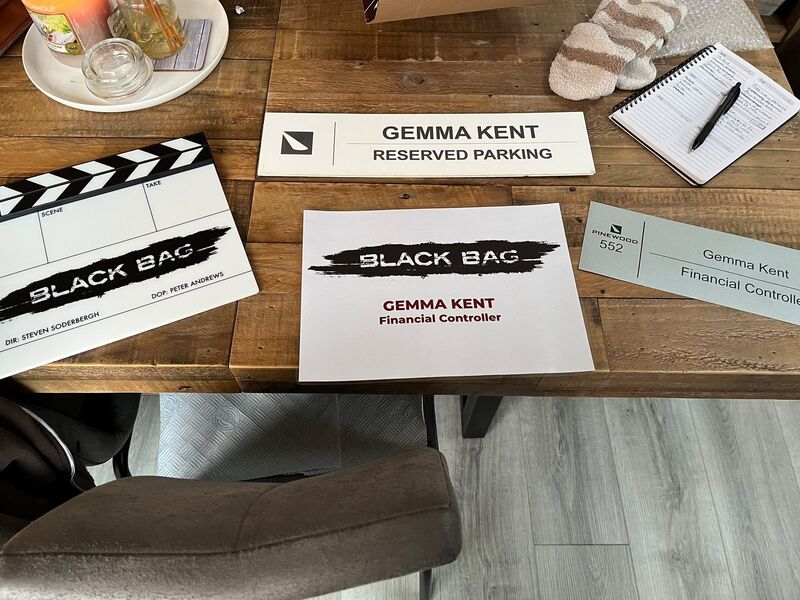
Your credits span a wonderful range - from intimate British comedies to major studio productions including Black Bag for Focus Features and Magic Mike’s Last Dance for Warner Bros. How does your approach shift between those very different environments?
In all honesty, I don’t feel it does. The key is building relationships no matter what size show you are on. On set is a crazy place to be and I think ensuring our department is seen as supportive and collaborative is key. The bigger projects of course require more reporting and are very specific in how certain items are handled but all in all the nature of the costs are similar, just the spend is higher and I have a bigger team!
As a Financial Controller, you sit at the very centre of a production’s financial operation. For those outside the department, can you demystify what a typical week actually looks like on a major production?
Coffee every morning is a must! After a Friday cut off for all accounting into the software, Monday morning is usually a review of the bank recs and purchase order integration to make sure everything is perfect ready for my cost report. I will then review each department and project based on the previous week’s conversations with HODs. Tuesdays tend to be sat going through with the Exec/LP/UPM to discuss all areas and to produce the cost report and any analysis to present to the studio. The official pack is then sent out ready for a formal cost report meeting with the studio (either Tuesday evening or Wednesday). This can be extremely detailed going line by line or more of a summary overview depending on how the film is performing. Wednesday through to Friday will involve department cost report meetings looking at the current costs to date and discussing forecasts/issues coming up that will then allow me to start building the reports for the following week. Mixed in with these meetings are also all the approvals for payroll/accounts payable/purchase orders/purchasing cards; and then a separate review of all these areas to ensure everything is being completed correctly.
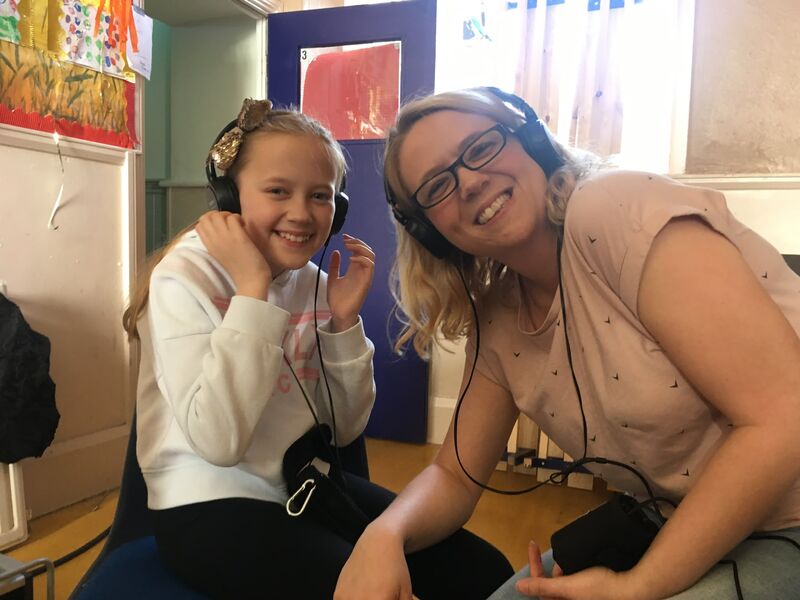
You’ve spoken about how important it is to build a supportive team culture within the accounts department, and how family support was crucial in your own earlier career. How do you pay that forward now - and what do you do to ensure your team feels genuinely supported?
When I started travelling more with the shows, my husband had gone as far as he wanted as a bank manager, so took time out to ensure home life was supported. As it goes, he then started to assist me and has been my Production Accountant on all the movies I have worked on ever since.My 1st Assistant has been with me since my first job also so again, I feel very lucky to have that support. Thankfully, my team has been built over the years, and I try to ensure they feel supported in the department – we are able to work hybrid, so I try to ensure that family life is balanced with work life especially when children are involved! Mine have had the most wonderful opportunities travelling with us and seeing sets and I do try to ensure that my team know that I support them both in work and outside.
Finally, what advice would you give to a Production Accountant with their sights set on Financial Controller, and what has kept you passionate about this work?
Don’t ever be afraid to take the step. And foster a wonderful team around you – support them and as a team you can achieve anything. Just today I watched part of a directors cut of a recent movie I have worked on, and it still makes me so happy to see something on screen that I have been part of creating. Seeing your name on the credits never gets old and it doesn’t feel like real work (even though its very long hours!) I’ve always dreamt of making movies and now I get to do it every day. I can’t imagine doing anything else.