MobLand has been one of the most talked-about productions of the year - and you served as Production Coordinator on it. Now that it's out in the world, how does it feel to see it reach audiences, and what drew you to the production?
I am so proud of Mobland Season 2 and how we got here. It is one of the biggest shows out currently, with an amazing and lovely cast. Doing another show for Paramount / 101 Studios was a no-brainer after working on Agency Season 2, as they are a great studio to work for. They have clear systems and great communication, and they value the Production Office highly.
I also had the most wonderful team on one of the toughest jobs. We became a tight ship, had each other’s backs, and got the job done to a high standard.
Can you tell us how you first got started in the industry, and what path led you from Production Assistant to Production Coordinator?
I knew I wanted to be in the film industry since I was 13. I knew my place was here, while watching behind-the-scenes content from my favourite movies on weekends. I went to Film School in Madrid (Spain), which opened a new world for me, as I had never been on a film set before. Because our teachers were professionals in the Spanish industry, I started my career in Spain under one of the best Line Producers there: Jose Luis Escolar. Working under Jose, I saw how Production Services worked in Spain. I knew I was on the right path, so I moved to London and tried my luck. A fellow Production Guild member (Brian Donovan) I met while filming in Spain put me in touch with the people who would become my team for my first Production Assistant role, and since then I’ve worked my way up.
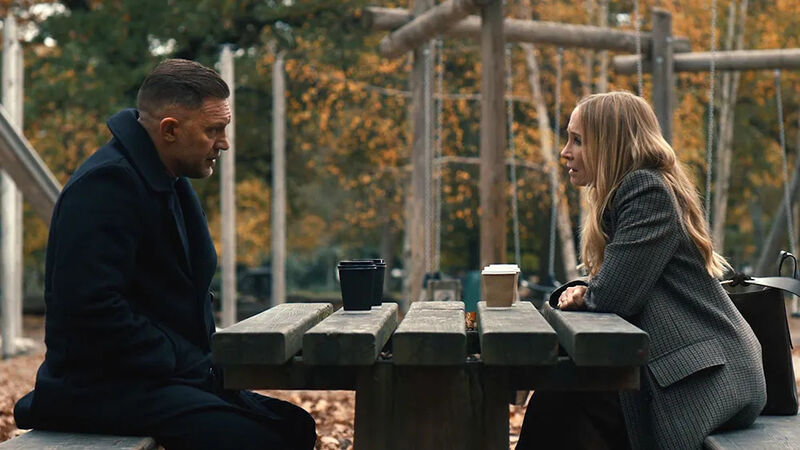
Your earliest credits include Bohemian Rhapsody and Assassin's Creed - two very different productions but both enormous in their own right. What was it like learning the craft on productions of that scale, and what did those early years teach you about how a production office really works?
Working in different types of projects is essential to learning the roles, from big features to TV and smaller jobs. There’s always space to learn, no matter what kind of production you are doing. Working with different teams also helps broaden your experience, as you must adapt to different methods of working. I believe learning the basics as a Production Assistant will set you up for success as you move along in the Production Office. Don’t rush it, because as you move up the ladder, you will be able to help your colleagues better thanks to the experience you've gained.
You've moved through every grade in the production office - Production Assistant, Production Secretary, Assistant Production Coordinator, Production Coordinator. Was that a deliberate climb, or did it evolve more organically? And what did each step teach you that the next one required?
I knew I always wanted to be in the Production Office. I don’t think I could do anything else. Even now as a coordinator, I need to jump in and do tasks a PA, Secretary and APOC would, so it’s essential to take it slow and learn each role thoroughly before stepping up. Without this experience, you can’t support your team, so it is essential that you become well-rounded in all your roles before you step up. Also, you never stop learning, so take ideas and proposals as they come and evaluate whether they fit how the team works.
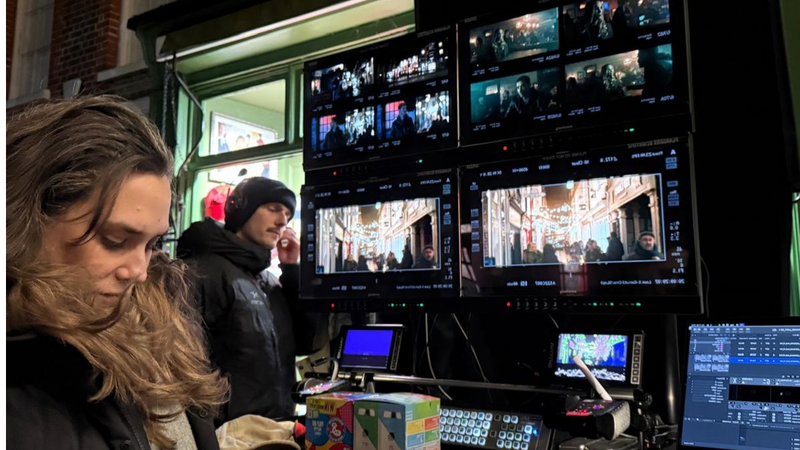
Your credits span an extraordinary range, from Fast X and Citadel to Apartment 7A, The Gorge and The White Lotus. Working across such varied productions, studios and formats must demand real adaptability. How do you approach each new production, and has any one credit surprised you the most?
All these jobs were amazing in their own way; some were harder than the rest, but I look back, and I have fond memories of all of them. Starting a new job with new people feels like the first day of school, but we are all there to get the job done and do it well. Production is like that; we strive for excellence! One thing I take from all these jobs is the people. It’s crazy how bonds form in a Production Office and how they survive even after you move on, step up, or continue working together. I wouldn’t change a thing.
The White Lotus Season 3 is one of the most acclaimed productions in recent television history. What was the experience of working as Assistant Production Coordinator on a series of that cultural profile like, and what does the production office of a show like that look like day to day?
White Lotus was a turning point for me. I am so grateful I got this job and met Coordinator, Phoebe Phillips (fellow PG member) and the whole Thai Team. It taught me the basic pillars I didn’t know I needed when I stepped up to Coordinator a year later.
We were an international team in every sense: T&A based in LA, Shipping Coordinator based in Atlanta, Phoebe in Thailand, and me in London. We made it work effortlessly because we supported each other. Supporting Phoebe, who was on the ground day-to-day, was especially essential, as the days were packed with multiple script changes, constant unit moves around Thailand, a large number of actors daily, and over 120 foreign crew to cater for.
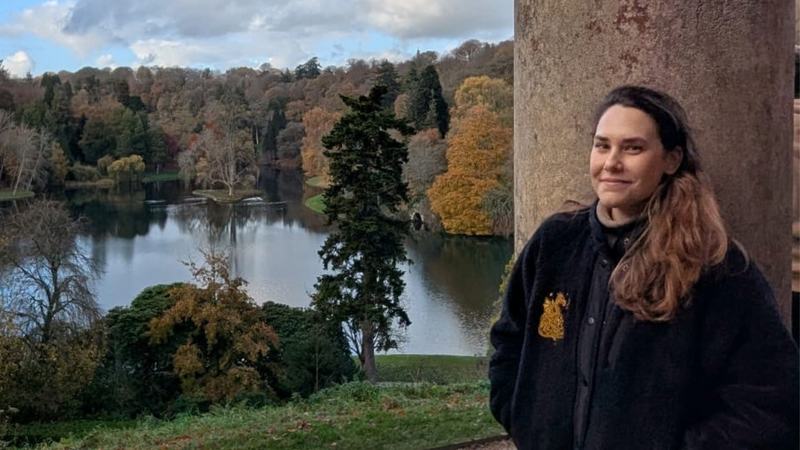
You also worked as Production Coordinator on The Agency Season 2 - a major Paramount+ spy thriller produced in London and Morocco alongside executive producers George Clooney and Grant Heslov. How does coordinating a production of that international scale and complexity differ from a single-location shoot?
The Agency Season 2 also went to Kenya as well as Morocco; the Unit move logistics during that season were insane, but they pulled it off seamlessly and effortlessly. I have nothing but praise for the Production team; they are the best team to work for, and it couldn’t have been done without them.
The Production Coordinator role sits at the very centre of a production - managing crew, paperwork, logistics and communication simultaneously across every department. What do you wish more people understood about what the job actually involves?
I wish crew were more aware that the Production Office is wrangling every department simultaneously, and we try to look after every department equally, as well as Cast. It’s an intense role, often overlooked and taken for granted; we make daily sacrifices for the crew that go unnoticed.
You've been a Production Guild member throughout a significant period of your career. What has membership meant to you - and what would you say to a Production Assistant or Secretary considering joining?
The Production Guild helped me when I moved to the UK, helping me make connections when I had barely any. A fellow member invited me to join. It was a great place to share my experience and network with other industry members. The Production Guild got me White Lotus!
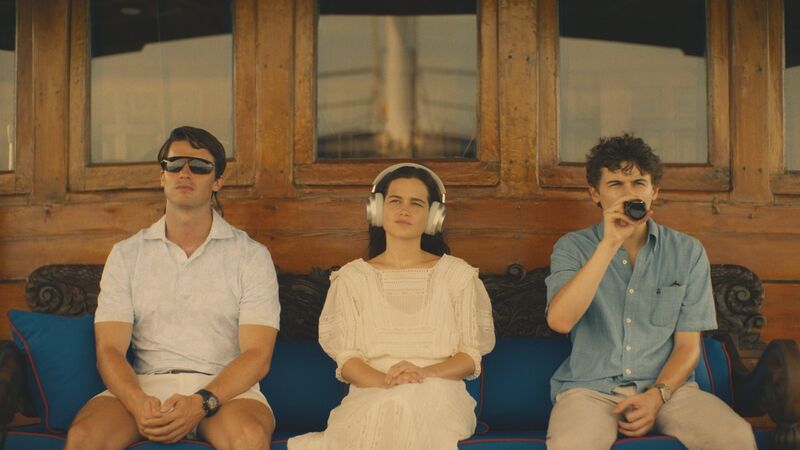
On a lighter note, from Bohemian Rhapsody to MobLand, you've been on some extraordinary productions. What is your absolute non-negotiable on a long shoot day?
A cup of ramen noodles (the real Korean ones, like Chapagetti, not the Cup Noodles from Tesco!) A nice hot chocolate also brings a wide smile to my face.
Finally, what advice would you give to someone who is just starting out in the production office today, and what has kept you passionate about this work across such an impressive career?
Observe your peers, ask questions even if you think they are silly or unimportant. When I was a PA, I loved watching the Production Secretary work, seeing their system, how they talked to crew, or how they organised their files; or the Production Coordinator when they talked about the Production Reports.
Going to set, observing and getting to know the crew will always put you in a good stead. Some people will happily explain and show you what the random equipment that is currently being set up that day is for and how it is used, and trust me, one day you will need that knowledge (either to negotiate a rate when hiring, or to question a department if they really need it!).